Asian Stocks Rally After Trump Iran Ceasefire and Hormuz Opening
By INGLOBE Magazine News Desk | April 8, 2026
Asian markets surged Wednesday after investors welcomed news of a temporary ceasefire between the United States and Iran, alongside indications that the strategically critical Strait of Hormuz may reopen for shipping.
The rally comes despite lingering uncertainty over how fully accessible the waterway actually is, with conflicting signals emerging from Washington and Tehran.
Asian Markets Post Strong Gains
Regional stock markets posted broad gains as traders responded positively to easing geopolitical tensions.
South Korea’s KOSPI surged 7.1%, Japan’s Nikkei 225 climbed 5.5%, and Taiwan’s TAIEX rose 4.6%.
Hong Kong’s Hang Seng Index advanced 3.1%, while Australia’s ASX 200 gained 2.6%.
Markets in Vietnam, Indonesia, and the Philippines also rose more than 2%.
Airline Stocks Jump on Lower Oil Prices
Airline shares were among the biggest beneficiaries of the market rally as falling oil prices improved sentiment for fuel-intensive industries.
Australian carrier Qantas rose 10%, AirAsia gained 6.9%, and Cathay Pacific jumped 4.7%.
Brent crude and West Texas Intermediate both plunged more than 13% after the ceasefire announcement, dropping below $100 per barrel.
Trump Announces Pakistan-Brokered Ceasefire
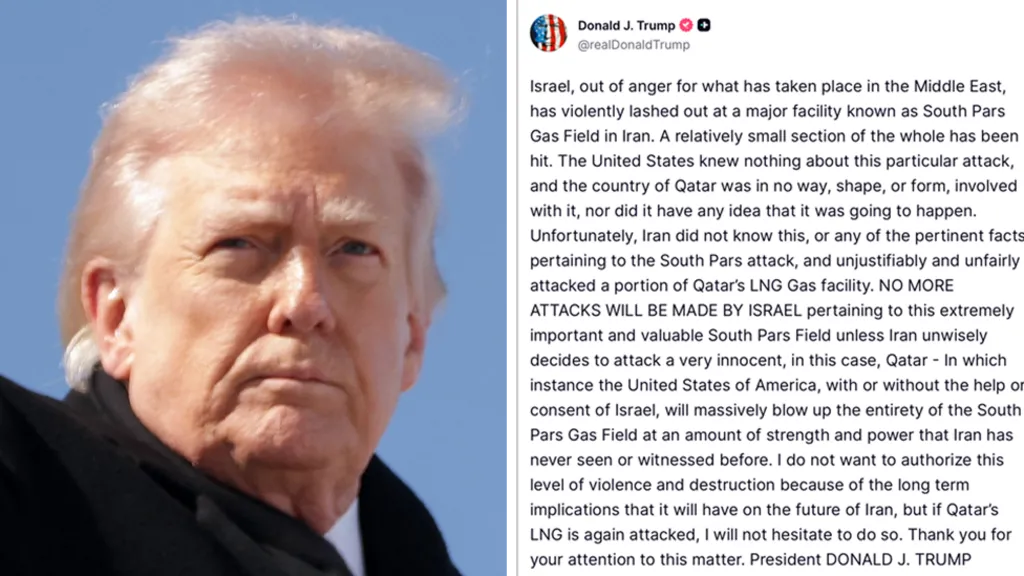
US President Donald Trump announced a two-week ceasefire brokered by Pakistan between Washington and Tehran.
The announcement came shortly before Trump’s previously stated deadline, after which he had threatened to escalate attacks on Iranian civilian infrastructure.
Hormuz Reopening Still Unclear
While Trump said the ceasefire requires the “complete, immediate, and safe opening of the Strait of Hormuz,” Iranian officials offered a more conditional interpretation.
Iranian Foreign Minister Abbas Araghchi stated that passage through the strait would only be possible through coordination with Iranian armed forces.
This discrepancy has left markets uncertain over how open the strait truly is.
Why the Strait of Hormuz Matters
The Strait of Hormuz is one of the world’s most vital shipping routes, handling around 20% of global oil and gas transit.
It is also a critical corridor for commodities including fertilizer and helium.
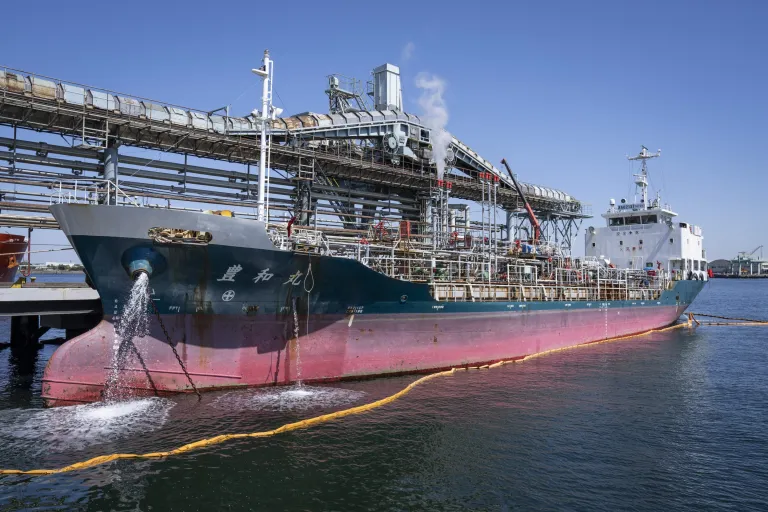
At least 800 ships are reportedly trapped in the Gulf due to the ongoing disruption.
Transit Fees and Negotiations
Regional officials suggest the ceasefire agreement may allow Iran and Oman to impose transit fees on vessels using the strait.
Iran had previously proposed fees of up to $2 million per ship during negotiations.
Some vessels have reportedly already resumed passage after private negotiations with Tehran.
Asian Governments Prepare for Continued Disruption
Despite optimism, governments across Asia remain cautious.
Singapore announced nearly S$1 billion in economic relief measures and plans to expand fuel reserves.
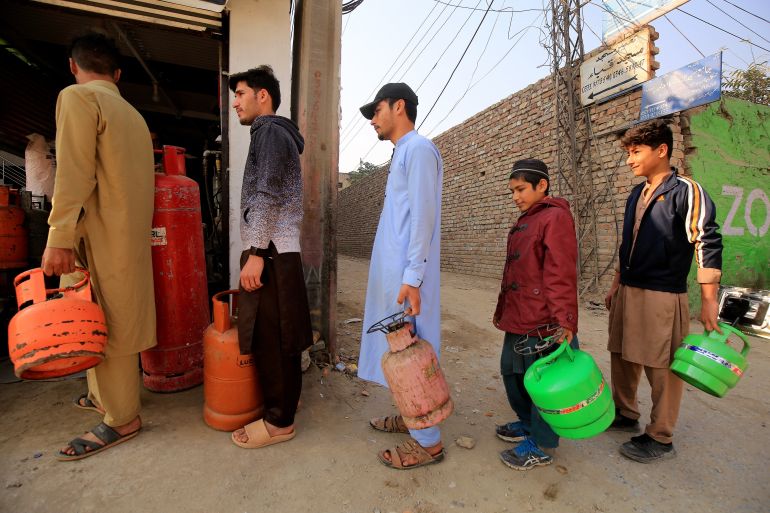
Malaysia warned of rising fuel and transportation costs, while several governments have introduced fuel rationing and reopened coal plants.
Outlook Remains Uncertain
Even if the Strait of Hormuz fully reopens, energy infrastructure damage in the Middle East may keep supply chains strained for months.
Investors remain hopeful the ceasefire will hold, but markets are likely to remain volatile as more details emerge.