Alex Karp AI Jobs Future: Trade Workers or Neurodivergent Will Win
By INGLOBE Magazine News Desk | March 24, 2026
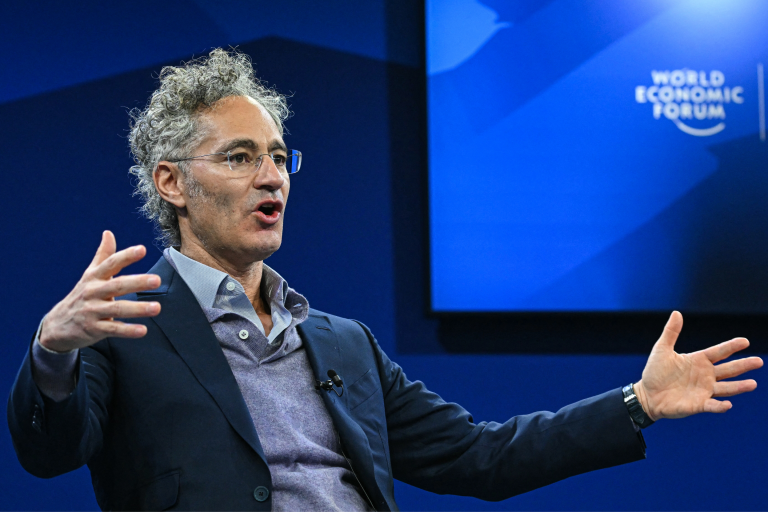
The Alex Karp AI jobs future neurodivergent trade workers debate is gaining attention after Palantir CEO Alex Karp made a bold claim about who will succeed in the artificial intelligence era.
As AI rapidly transforms industries and threatens traditional roles, Karp argues that only two types of workers are positioned to thrive: those with vocational skills and those who think differently.
Alex Karp’s View on AI Jobs Future
According to Alex Karp, there are “basically two ways” to secure a future in the AI-driven economy: having vocational training or being neurodivergent.
This statement reflects growing concerns that automation and AI will replace many traditional white-collar roles while increasing demand for practical, hands-on skills.
Why Trade Workers Will Benefit in the AI Era
The first group—trade workers—includes electricians, plumbers, and technicians. These roles are difficult to automate and remain essential as companies expand infrastructure such as data centers.
As AI adoption grows, demand for skilled labor is expected to increase, especially in industries that require physical presence and technical expertise.
Neurodivergent Talent as a Competitive Advantage
The second category highlighted in the Alex Karp AI jobs future neurodivergent trade workers discussion focuses on neurodivergent individuals.
Karp, who has openly discussed his dyslexia, believes that thinking differently can be a major advantage in an AI-driven world.
Neurodivergence—including ADHD, autism, and dyslexia—can foster creativity, unconventional thinking, and innovation, which are critical in adapting to rapid technological change.
Palantir’s Hiring Strategy and Fellowships
Palantir has already aligned its hiring strategy with this vision. The company offers a dedicated Neurodivergent Fellowship aimed at attracting talent that may not fit traditional hiring models.
Additionally, its Meritocracy Fellowship targets high school graduates, encouraging them to skip college and gain real-world experience instead.
The program offers a monthly stipend and positions itself as an alternative pathway to traditional education.
Is College Losing Its Value in the AI Economy?
Karp has been vocal about the limitations of higher education, warning that AI could disrupt many humanities-based careers.
However, not all tech leaders agree. Some argue that critical thinking, adaptability, and communication skills—often developed through liberal arts education—will become even more important.
This divide highlights a broader debate about the future of education and employment in the AI age.
The Future of Work in an AI-Driven World
The Alex Karp AI jobs future neurodivergent trade workers perspective underscores a key shift: success will increasingly depend on adaptability, creativity, and practical skills.
While AI may eliminate certain roles, it is also creating new opportunities for those who can think differently or work in areas that technology cannot easily replace.
For workers across all generations, the message is clear—develop unique skills, stay flexible, and be prepared to evolve with the changing job market.