EU Fingerprint and Photo Travel Rules Come Into Force
By INGLOBE Magazine News Desk | April 10, 2026
The European Union’s new digital border system requiring fingerprints and facial photographs for non-EU travelers has officially come into force across the Schengen Area.
Known as the Entry/Exit System (EES), the technology is being introduced to modernize border controls, strengthen security, and replace manual passport stamping.
However, travel hubs across Europe have warned of possible delays and long queues as the system rolls out.
What Is the Entry/Exit System (EES)?
The Entry/Exit System is a digital border management platform that records when non-EU travelers enter and leave the Schengen Area.
It applies to 29 participating European countries, including major destinations such as France, Spain, Italy, Portugal, and Greece.
Under the new rules, eligible travelers must provide:
- Passport scan
- Facial photograph
- Fingerprint registration
Children under 12 are exempt from fingerprint collection.
Where Travelers Will Encounter EES
Passengers flying into Europe will complete registration at their arrival airport.
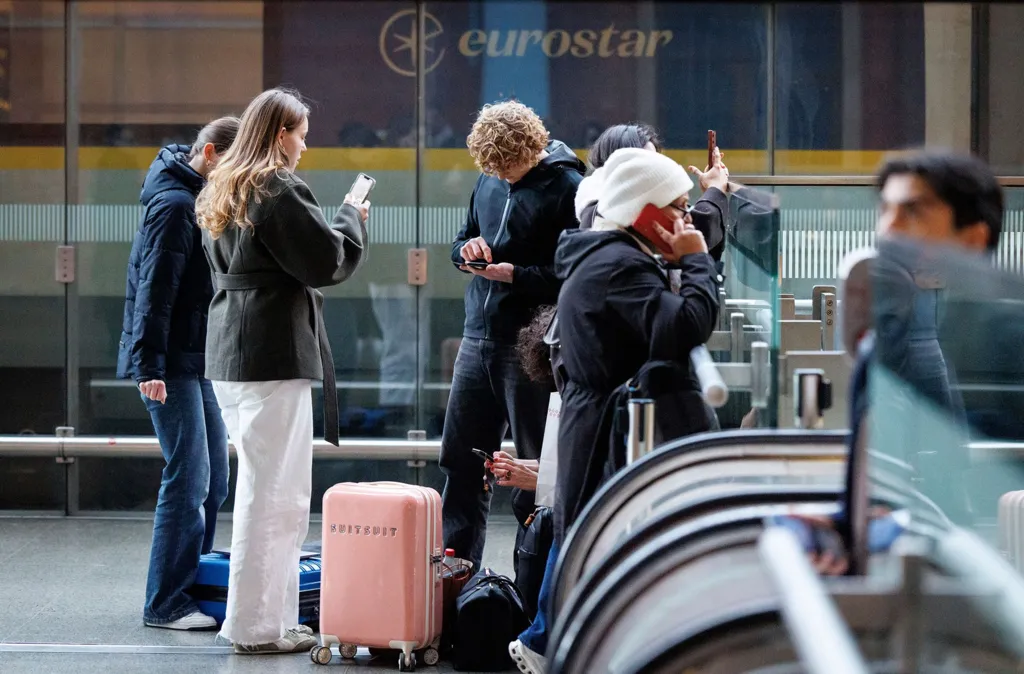
Travelers using the Eurostar, Eurotunnel, or ferries from the UK will complete the process before departure at border processing kiosks.
The registration remains valid for three years, after which biometric data may need to be refreshed.
Long Queues Already Reported
Several European airports have reported significant delays during the phased rollout of the system.
Travelers arriving in Pisa and Geneva have experienced multi-hour queues at passport control.
Airports and border authorities warn that delays may worsen during busy holiday periods.
Not Every Border Crossing Fully Ready
Although Friday marked the official deadline for implementation, not all border points are fully operational yet.
Major airports including Milan and Lisbon are still phasing in the technology.
The European Commission has allowed temporary flexibility in enforcement where severe queues occur.
ETIAS Coming Next
The EES rollout will later support the European Travel Information and Authorisation System (ETIAS), a visa-waiver style pre-travel authorization for non-EU visitors.
ETIAS is expected to launch in late 2026 and will cost €20 per traveler, valid for three years.
What It Means for Travelers
Travelers heading to Europe should prepare for longer processing times during the initial rollout period.
Authorities recommend arriving earlier than usual for departures involving Schengen border checks.
Officials maintain the system will improve efficiency once fully operational, though early disruptions remain likely.