Iranian Footballers Return Home After Dropping Australia Asylum Bids
By INGLOBE Magazine News Desk | March 2026
The Iranian footballers asylum Australia return has drawn global attention after five members of Iran’s national women’s football team returned home despite initially seeking humanitarian visas in Australia. The players had raised concerns about their safety after remaining silent during Iran’s national anthem at an Asian Cup match.
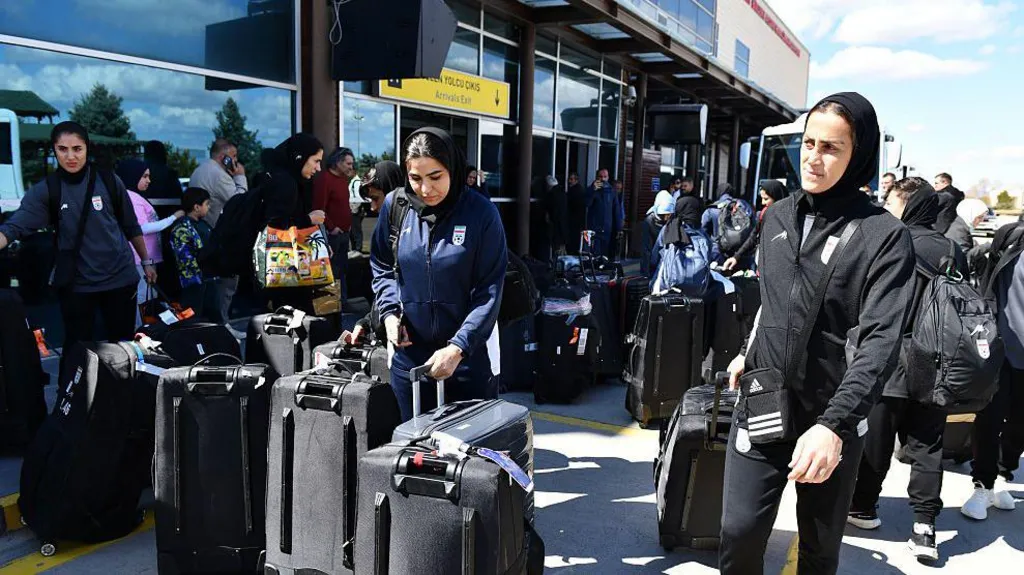
The team was seen arriving back in Iran after traveling through Malaysia, Oman and Turkey. They landed at Igdir airport near the Iranian border before crossing back into the country by coach.
Iranian Footballers Asylum Australia Return Raises Concerns
The decision by the Iranian footballers to return home after dropping their asylum bids has sparked concern among human rights activists. Many believe the players may have faced pressure or threats directed at their families.
According to reports from BBC News, activists suggested the players reversed their asylum decisions under difficult circumstances.
Three of the players were identified as Zahra Soltan Meshkehkar, Mona Hamoudi and Zahra Sarbali. Team captain Zahra Ghanbari was also reported to be among those who chose to return.
Why Some Players Stayed Behind in Australia
While most of the team returned, two players who were granted asylum chose to remain in Australia. Authorities had previously moved several players to a secure location after concerns about their safety emerged.
Australia’s Home Affairs Minister confirmed that humanitarian visas had been approved, allowing players to stay, work and study in the country.
However, some players later withdrew their asylum requests, highlighting the complex personal and political pressures surrounding their decisions.
Controversy Over National Anthem Protest
The situation began when members of the Iranian team chose not to sing the national anthem before their opening match. The act was widely interpreted as a silent protest amid growing tensions in Iran.
Following the incident, Iranian state media reportedly criticized the players, with some commentators labeling them as “traitors.”
In subsequent matches, the team sang the anthem, leading critics to speculate that they had been pressured by officials accompanying the squad.
Political Tensions and Global Reaction
The Iranian footballers asylum Australia return reflects broader geopolitical tensions involving Iran and Western countries. Iranian authorities accused Australia of attempting to influence the players, while activists raised concerns about freedom and athlete rights.
As the situation continues to unfold, the case highlights the difficult choices athletes may face when politics and sport intersect on the global stage.