Pakistan LNG Crisis: How Iran War Turned Surplus Into Shortage
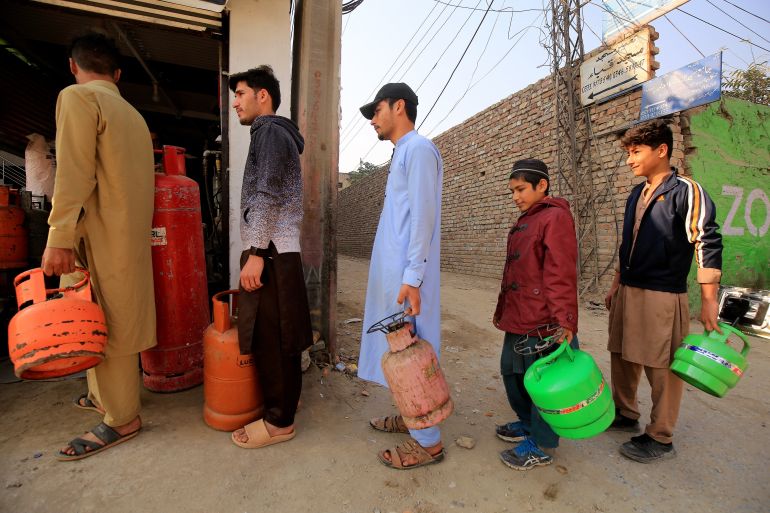
By INGLOBE Magazine News Desk | April 4, 2026
The Pakistan LNG shortage Iran war energy crisis LNG supply collapse has rapidly transformed the country’s energy outlook—from surplus to crisis in just weeks.
At the beginning of 2026, Pakistan had excess liquefied natural gas (LNG). But after escalating conflict in the Middle East, supply chains have collapsed, leaving the country facing a severe energy shortage.
From LNG Surplus to Sudden Crisis
Pakistan’s LNG demand had been falling for years due to the rapid rise of solar energy and declining industrial consumption.
By early 2026, the country was even reselling surplus LNG shipments and shutting domestic gas wells to manage oversupply.
However, the Pakistan LNG shortage Iran war energy crisis LNG supply collapse began when conflict disrupted global energy routes.
How the Iran War Disrupted Global LNG Supply
The war triggered major disruptions in the Strait of Hormuz, a critical route through which nearly 20% of the world’s oil and gas flows.
Strikes on key energy infrastructure—including Qatar’s Ras Laffan LNG facility and Iran’s South Pars gas field—forced production cuts and halted exports.
Qatar, Pakistan’s primary LNG supplier, declared force majeure, effectively suspending deliveries.
Pakistan’s Heavy Dependence on LNG Imports
Pakistan relies heavily on imported LNG for electricity generation, with LNG accounting for over 20% of its power supply.
Nearly 99% of LNG imports come from Qatar and the UAE, leaving the country highly vulnerable to disruptions.
With shipments halted, Pakistan’s energy system has been thrown into uncertainty.
Prices Surge as Supply Collapses
Global energy prices reacted immediately to the crisis.
LNG prices rose sharply, while oil prices crossed $100 per barrel. Pakistan saw LNG procurement costs increase by nearly 20% within weeks.
The Pakistan LNG shortage Iran war energy crisis LNG supply collapse is now driving higher electricity costs and inflation.
Solar Boom: A Partial Relief
The rapid adoption of solar energy has helped cushion the immediate impact.
Pakistan now generates thousands of megawatts through rooftop solar systems, reducing reliance on grid electricity during daylight hours.
However, solar alone cannot fully compensate for the loss of LNG supply.
Power Cuts and Economic Impact Ahead
Experts warn that Pakistan may face daily power outages during peak summer demand.
Industries dependent on gas could suffer production losses, while households may experience rising electricity bills.
Analysts suggest planned load-shedding of two to three hours daily could become necessary.
Limited Options for Pakistan
Pakistan’s options remain constrained due to financial limitations and global competition for LNG supplies.
Alternative fuels like imported coal and furnace oil are expensive, while spot LNG markets may be unaffordable.
The crisis highlights the risks of relying heavily on long-term energy import contracts without flexibility.
Final Outlook
The Pakistan LNG shortage Iran war energy crisis LNG supply collapse underscores how geopolitical conflicts can rapidly disrupt national energy security.
While short-term measures may prevent a complete collapse, Pakistan faces a challenging summer ahead as it balances supply shortages, rising costs, and increasing demand.