Trust has always been one of society’s most fragile and powerful forces. It allows strangers to collaborate, institutions to function, and communities to grow. Yet in a world increasingly shaped by digital platforms, artificial intelligence, and global networks, the nature of trust itself is evolving. The systems that once defined authority and credibility are being rewritten, often faster than social norms can adapt.
In this environment, trust is no longer simply an assumption embedded in institutions. It has become something that must be actively designed, tested, and understood.
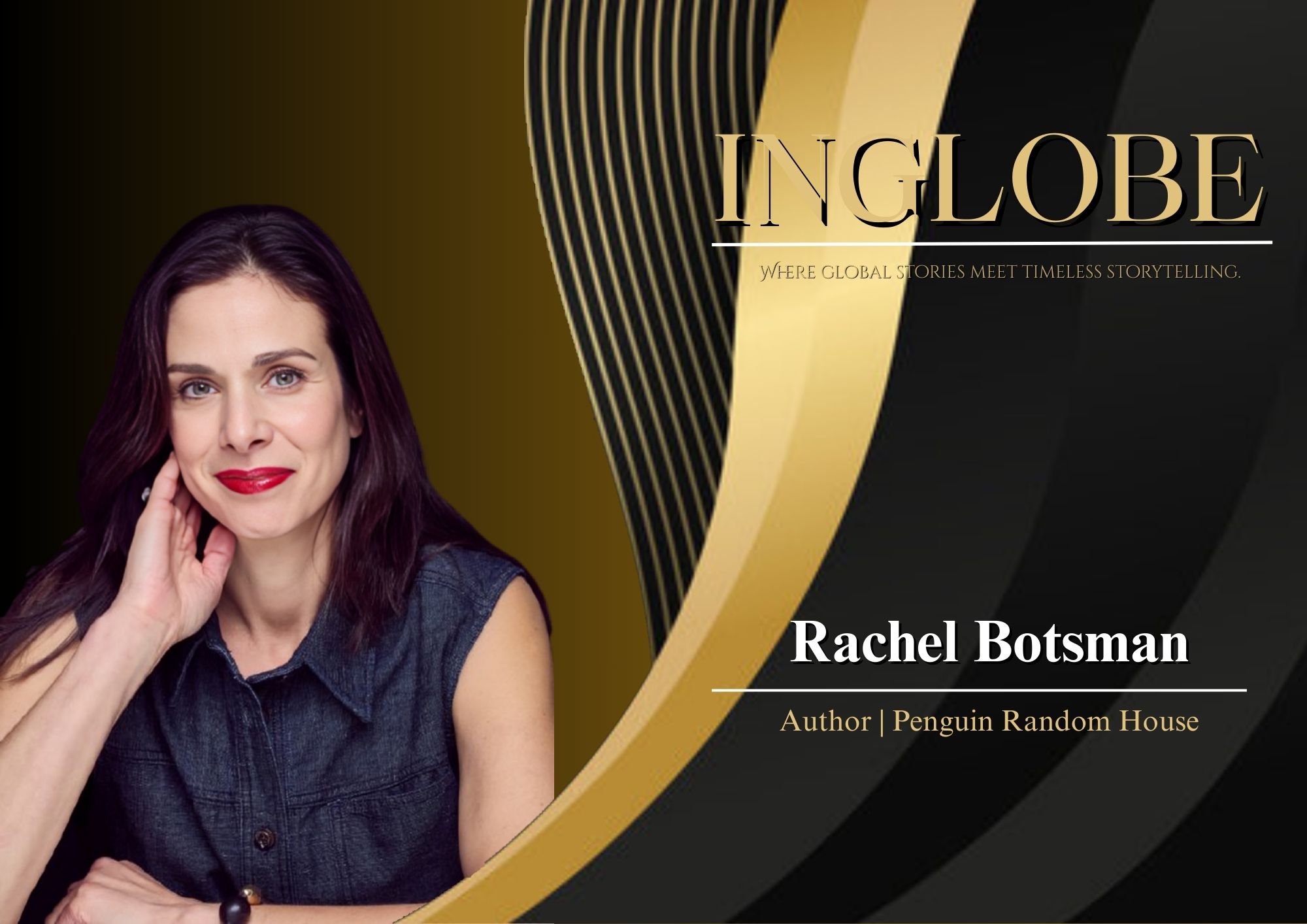
Rachel Botsman has spent much of her career exploring this transformation.
As an internationally recognized author, speaker, and academic, Botsman has helped organizations, governments, and communities rethink how trust operates in a rapidly changing world. Her work examines how technology reshapes relationships between individuals, institutions, and the systems that connect them.
From the rise of the sharing economy to the influence of artificial intelligence and digital identities, Botsman’s insights reveal how trust is built, challenged, and redefined in the digital age.
Rachel Botsman: Understanding Trust as a Social Infrastructure
Rachel Botsman approaches trust not as an abstract concept but as a form of social infrastructure.
Just as roads, electricity networks, and communication systems enable societies to function, trust enables human cooperation. Without it, economic systems stall, innovation slows, and relationships become fragile.
Throughout history, trust has traditionally been placed in institutions. Banks, governments, universities, and corporations served as central authorities that provided stability and legitimacy.
However, digital technologies have begun reshaping this model.
Today, individuals often trust platforms and systems that operate without traditional institutional structures. People ride in cars driven by strangers, rent homes owned by individuals they have never met, and exchange services through digital marketplaces that exist entirely online.
For Botsman, these shifts raise important questions.
If technology is redefining how trust is created, how can societies ensure that new systems remain reliable and accountable?
Understanding this transition has become central to her work.
Exploring the Rise of the Sharing Economy
Rachel Botsman first gained global recognition with the publication of her influential book What’s Mine Is Yours.
The book examined the rapid emergence of the sharing economy, a movement where technology enabled individuals to share goods, services, and resources in entirely new ways.
Platforms that connected people through peer to peer networks were transforming industries ranging from transportation to accommodation and retail.
What made these platforms possible was not simply technology.
It was trust.
Participants had to feel comfortable engaging with individuals they had never met before. Digital systems replaced many traditional forms of verification, creating reputational mechanisms based on ratings, reviews, and digital identity.
Botsman recognized early that this shift represented more than a business trend.
It signaled a fundamental change in how societies establish trust.
Her research revealed that while institutions once acted as the primary gatekeepers of credibility, digital systems were creating new forms of distributed trust where individuals relied on networks rather than centralized authorities.
Rethinking Trust in the Digital Era
Botsman expanded these ideas in her later work, including the book Who Can You Trust? and the practical guide How to Trust and Be Trusted.
These works explore how trust functions in environments shaped by algorithms, artificial intelligence, and online platforms.
In traditional settings, trust often developed through personal relationships and direct interactions. Reputation could be built gradually through shared experiences.
In digital systems, however, trust must often be established instantly.
A traveler booking accommodation online must rely on digital signals rather than personal familiarity. A user interacting with an artificial intelligence system must believe that the technology operates fairly and transparently.
Botsman argues that this transition requires organizations to rethink how they design systems.
Transparency, accountability, and ethical decision making become essential components of technological innovation.
Without them, digital systems risk eroding the very trust they depend upon.
Shaping Global Conversations on Trust
Rachel Botsman’s ideas have resonated far beyond academic circles.
Her TED Talks on trust have reached millions of viewers around the world, introducing audiences to the concept that trust is not static but constantly evolving.
Through these presentations, she explains how trust moves through different stages. Societies may initially resist new technologies, questioning their safety and legitimacy. Over time, however, repeated positive experiences can transform skepticism into acceptance.
Her insights have also appeared in major international publications including The New York Times, The Wall Street Journal, TIME, and Harvard Business Review.
Through these platforms, Botsman has explored how trust influences leadership, digital transformation, financial systems, and organizational culture.
Her ability to translate complex social dynamics into clear frameworks has made her a sought after advisor for governments, global corporations, and international institutions.
Teaching the Next Generation of Leaders
Beyond her writing and public speaking, Rachel Botsman has played an important role in shaping how future leaders understand trust.
She served as the first Trust Fellow at the Saïd Business School at the University of Oxford, where she taught courses examining how trust operates in modern societies.
Her teaching encourages students to look beyond traditional models of authority and explore how credibility is built in an environment where digital technologies influence nearly every aspect of human interaction.
Students examine case studies ranging from financial technology platforms to artificial intelligence systems, learning how leadership decisions can strengthen or weaken trust within organizations.
Botsman’s academic work reflects her belief that trust must be intentionally designed into systems rather than assumed.
Leaders who understand how trust functions will be better prepared to guide organizations through technological transformation.
The Power of Rethinking Everyday Systems
Botsman continues to explore these ideas through her widely followed newsletter Rethink.
Sent weekly to readers around the world, the newsletter encourages reflection on how technology, culture, and everyday behavior shape modern trust relationships.
Topics range from digital identity and online reputation to workplace culture and the future of artificial intelligence.
Rather than presenting simple answers, Botsman often invites readers to question their assumptions about how systems function.
This approach reflects her broader philosophy.
Progress begins with curiosity.
When individuals and organizations are willing to rethink familiar systems, they become capable of imagining better ones.
Botsman’s work also extends into creative expression. With a background in fine arts from the University of Oxford, she has explored trust through artistic installations that examine the relationship between technology, society, and human values.
One such project, Roots of Trust, investigates how modern systems influence our understanding of work, identity, and community.
A Global Perspective on Trust
Rachel Botsman’s work has taken her across nearly every continent.
Through research, speaking engagements, and collaboration with global organizations, she has studied how different cultures approach trust within institutions, communities, and digital systems.
These experiences have reinforced an important insight.
Trust is universal, but the ways it is expressed and protected vary widely across societies.
Understanding these cultural differences is essential for organizations operating in global markets.
Technological innovation may create shared platforms, but trust ultimately depends on human relationships shaped by history, culture, and social expectations.
Botsman’s ability to connect these perspectives has made her one of the most influential voices in discussions about trust and innovation.
Her work has earned recognition including being named among the world’s most influential management thinkers and a Young Global Leader by the World Economic Forum.
Trust as the Foundation of the Future
Today, Rachel Botsman continues her work from Oxford, exploring how trust evolves in an increasingly digital world.
Artificial intelligence, decentralized technologies, and global digital networks will continue to reshape how societies function.
Yet despite these technological changes, the fundamental importance of trust remains unchanged.
Innovation may transform industries, but it cannot replace the human relationships that sustain them.
Botsman’s work serves as a reminder that trust does not disappear when systems evolve.
Instead, it moves into new forms.
Understanding those forms may be one of the most important challenges facing modern leadership.
Because in a world defined by rapid change, trust remains the invisible thread that holds societies together.
Rachel Botsman: Rethinking Trust in an Age of Technology and Transformation