Spinach Leads the 'Dirty Dozen': EWG's Controversial Pesticide Report Sparks Debate
By INGLOBE Magazine News Desk | April 13, 2026
Spinach Tops the Dirty Dozen List Again
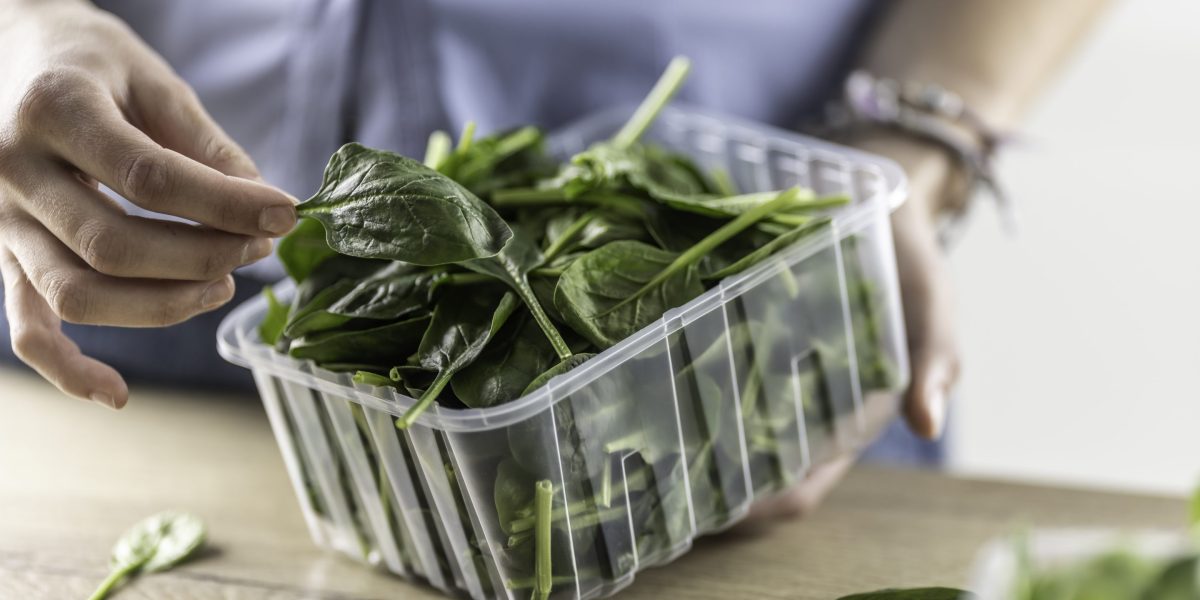
Despite Popeye’s famed endorsement, spinach continues to struggle against pests, unlike its animated champion. For the second year running, spinach has been identified as the most pesticide-laden vegetable on the Environmental Working Group’s (EWG) Dirty Dozen list. This annual list, released by EWG since 2004, highlights conventionally grown produce with the most pesticide residues.
The EWG’s findings are based on the U.S. Department of Agriculture’s (USDA) Pesticide Data Program, which meticulously tests agricultural goods. The program’s methodology simulates consumer behavior by rinsing produce for standard durations before conducting pesticide tests.
However, it’s important to note that the USDA does not test every produce category annually. For spinach, the most recent data stems from a 2016 test involving 642 conventional samples. These tests revealed an average of seven pesticide residues per sample, with some samples containing up to 19 different pesticides or their derivatives.
Other Produce on the Dirty Dozen List
Following spinach, a trio of leafy greens—kale, collard greens, and mustard greens—secured the second spot on the Dirty Dozen list. This was followed by strawberries, grapes, and nectarines, which also showed significant pesticide residues.
In response to these findings, the EWG recommends consumers opt for organic or frozen versions of these items and to ensure thorough washing of all fruits and vegetables. These steps are suggested to minimize pesticide exposure.
The contentious list has sparked varied reactions, particularly from farmers and industry groups, who argue against the portrayal of their produce.
Farmers Push Back Against EWG’s Findings
Farmers who cultivate crops featured on the Dirty Dozen list have expressed their discontent with the EWG’s report. According to the Alliance for Food and Farming (AFF), a nonprofit organization representing both conventional and organic farmers, the report unjustly demonizes fruits and vegetables that are otherwise safe, nutritious, and affordable.
In a statement, the AFF emphasized that while the USDA detects pesticide residues, ‘more than 99%’ of produce tested by the agency remains below the stringent safety standards established by the Environmental Protection Agency.
The AFF also criticized the report for potentially discouraging fruit and vegetable consumption, particularly among low-income consumers who may avoid produce altogether rather than opting for more expensive organic options.
Public Perception and Pesticide Concerns
Public opinion on pesticide use in agriculture remains divided. A 2024 survey by the International Food Information Council revealed mixed feelings among consumers regarding the risks and benefits of pesticide use.
In this survey, 29% of respondents agreed that the benefits of consuming produce treated with pesticides outweigh the risks, while 30% disagreed. This division underscores the complexity of consumer attitudes toward pesticide use in food production.
The ongoing debate highlights the need for clear, science-based communication about pesticide safety and its implications for health and the environment.
The Impact on Dietary Choices
The controversy surrounding the Dirty Dozen list and pesticide use has broader implications for dietary habits. According to a 2022 study by the Centers for Disease Control and Prevention (CDC), only about one in ten U.S. adults meet the recommended dietary guidelines for fruit and vegetable consumption.
Critics argue that lists like the Dirty Dozen may exacerbate this issue by causing unnecessary alarm and potentially reducing consumption of fruits and vegetables.
As the debate continues, both consumers and industry stakeholders must navigate the complexities of food safety, nutritional needs, and environmental considerations.