US Airman Rescue in Iran: How F-15 CSAR Mission Succeeded
By INGLOBE Magazine News Desk | April 5, 2026
The US airman rescue Iran F-15 CSAR operation rescue mission details have emerged after one of the most daring military rescue operations in recent history successfully brought a downed American airman back to safety.
The rescue came after a US F-15 fighter jet was shot down over southern Iran, triggering a high-risk combat search and rescue (CSAR) mission deep inside hostile territory.
How the US Airman Was Rescued
US President Donald Trump confirmed that the missing crew member had been rescued in what he described as one of the most daring rescue missions ever conducted.
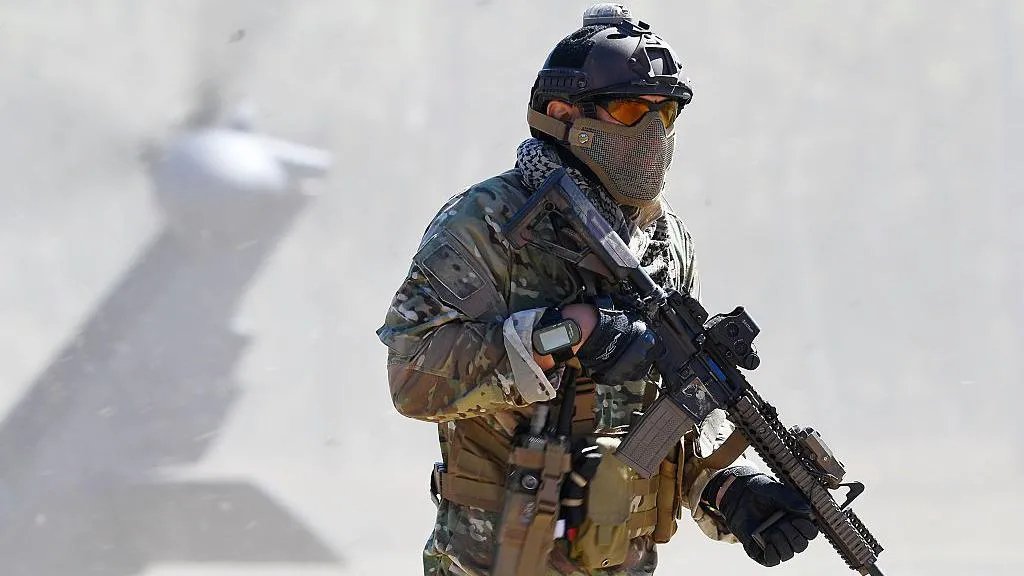
The operation involved dozens of special operations forces and multiple aircraft deployed into Iranian territory.
The US airman rescue Iran F-15 CSAR operation rescue mission details reveal that the mission was prioritised above other military actions.
The airman, reportedly a colonel, had been hiding in mountainous terrain for more than 24 hours while being tracked by US intelligence.
Survival Behind Enemy Lines
After ejecting from the aircraft, the airman followed survival protocols, including concealing his parachute, activating emergency beacons, and moving to higher ground.
Military analysts say such survival training is critical in hostile environments.
The airman reportedly hiked up a 7,000-foot ridge while evading detection by enemy forces searching the area.
Complex CSAR Operation Explained
Combat Search and Rescue (CSAR) missions are among the most dangerous military operations.
They involve helicopters flying low over enemy territory, supported by fighter jets and surveillance aircraft.
Darkness likely played a crucial role, giving US forces an advantage during the rescue mission.
The US airman rescue Iran F-15 CSAR operation rescue mission details highlight the precision and coordination required for success.
Role of Intelligence and Deception
Reports indicate that the CIA played a key role by tracking the airman’s location and sharing intelligence with the Pentagon.
A deception strategy was also reportedly used, spreading misinformation that the airman had already been rescued to confuse Iranian forces.
This helped reduce pressure on the rescue teams during the operation.
Challenges and Risks During the Mission
The operation was not without complications. Reports suggest that transport aircraft were destroyed to prevent them from falling into enemy hands.
Additionally, helicopters involved in earlier rescue efforts were reportedly hit by small arms fire.
Despite these risks, the mission concluded without major casualties.
Where the Jet Was Shot Down
The US F-15 fighter jet was reportedly shot down over southern Iran, with possible locations including Khuzestan and Kohgiluyeh and Boyer-Ahmad provinces.
Iranian authorities claim the aircraft was hit by air defence systems.
About the F-15 Fighter Jet
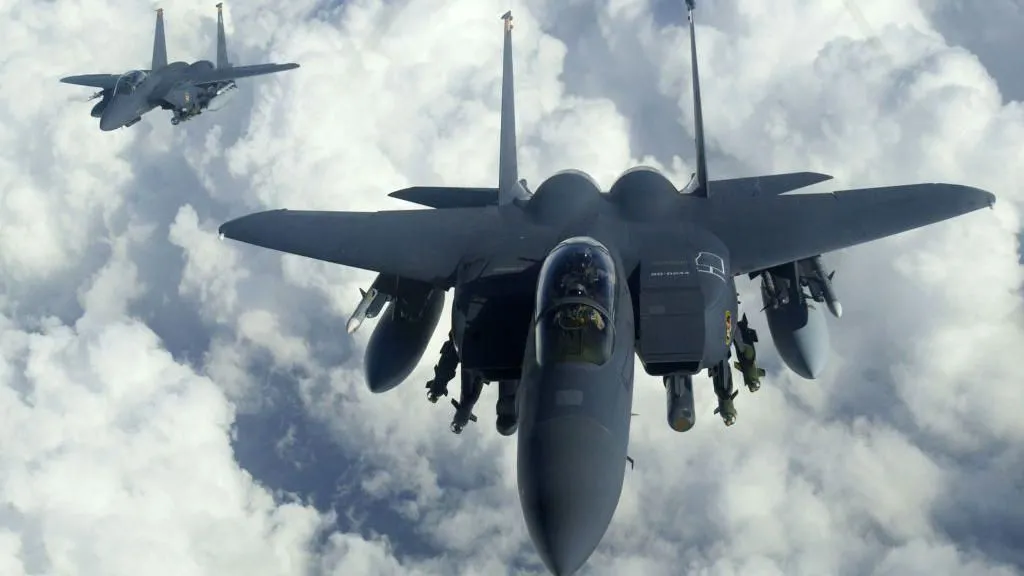
The F-15E Strike Eagle is a dual-role aircraft capable of both air-to-air and air-to-ground missions.
It carries two crew members: a pilot and a weapons systems officer responsible for targeting and weapon deployment.
The aircraft is widely used in modern combat for precision strikes and defensive operations.
Conclusion
The US airman rescue Iran F-15 CSAR operation rescue mission details demonstrate the extreme capabilities of modern military rescue operations.
As geopolitical tensions continue, such missions highlight both the risks of conflict and the advanced coordination required to bring personnel home safely.