US Airman Rescue in Iran: How the Mission Unfolded
By INGLOBE Magazine News Desk | April 6, 2026
The US airman rescue Iran operation how rescue unfolded CSAR mission Iran reveals one of the most complex and high-risk military operations in recent history, carried out deep inside hostile territory.
US special forces launched a daring mission to rescue an injured airman stranded in a remote mountainous region after his aircraft was shot down over Iran.
How the Incident Began
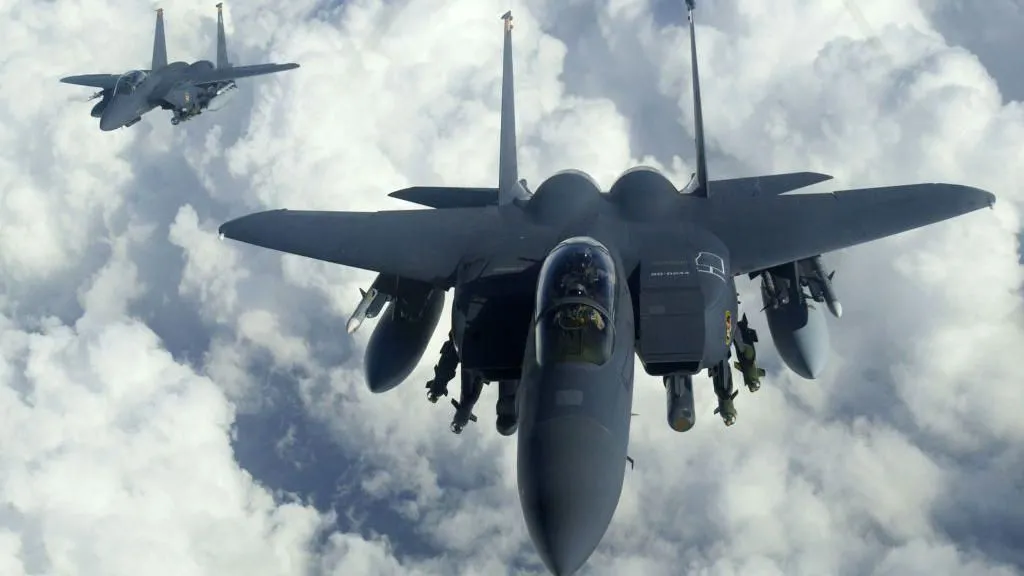
The operation began when a US F-15E Strike Eagle jet was shot down over southwestern Iran — marking the first such incident in over two decades.
Two crew members ejected safely, but while one was rescued quickly, the second airman became separated and stranded in rugged terrain.
The US airman rescue Iran operation how rescue unfolded CSAR mission Iran quickly turned into a race against time.
Airman Stranded Behind Enemy Lines
The stranded airman found himself alone in a sparsely populated mountainous region.
Iranian authorities offered rewards to civilians for locating him, while unverified footage showed armed groups searching the area.
The airman, armed with a handgun, relied on survival training — moving strategically, limiting beacon signals, and hiding in mountain crevices.
Intelligence and Tracking Efforts
The CIA reportedly tracked the airman’s location and relayed precise coordinates to US military planners.
Officials had to ensure the signal was not a trap before launching the rescue.
The airman’s movements were monitored continuously as Iranian forces closed in.
Deception Strategy and Air Support
To protect the mission, US intelligence reportedly launched a deception campaign, spreading false information that the airman had already been rescued.
Meanwhile, airstrikes were conducted to keep Iranian forces away from the search zone.
The US airman rescue Iran operation how rescue unfolded CSAR mission Iran depended heavily on coordination between intelligence and combat units.
Special Forces Extraction Operation
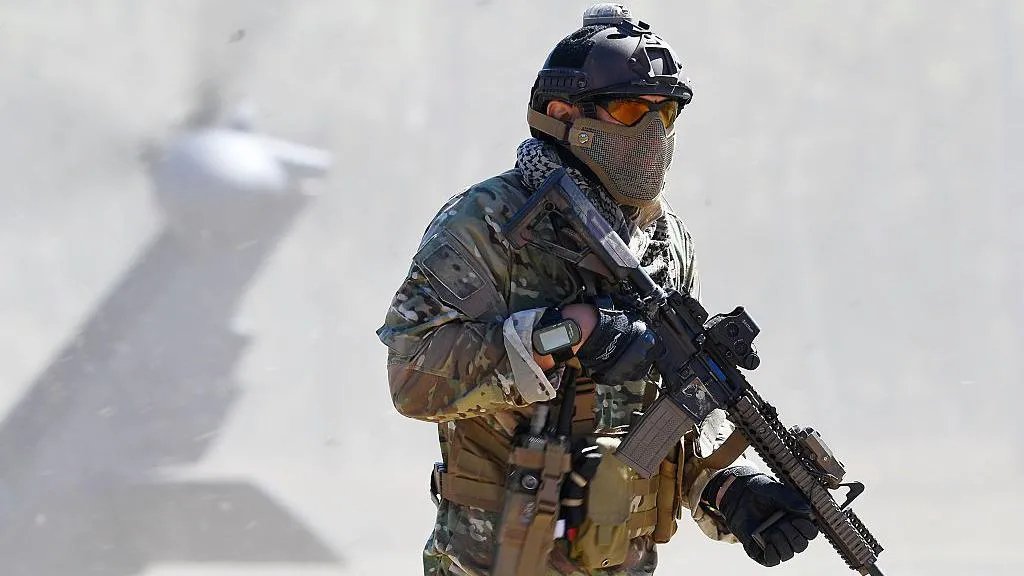
Elite US Navy SEALs were reportedly deployed into the region to extract the airman.
The airman, positioned on a 7,000-foot ridge, even provided intelligence on enemy positions to support incoming airstrikes.
This coordination helped create a safer extraction window.
Complications During the Mission
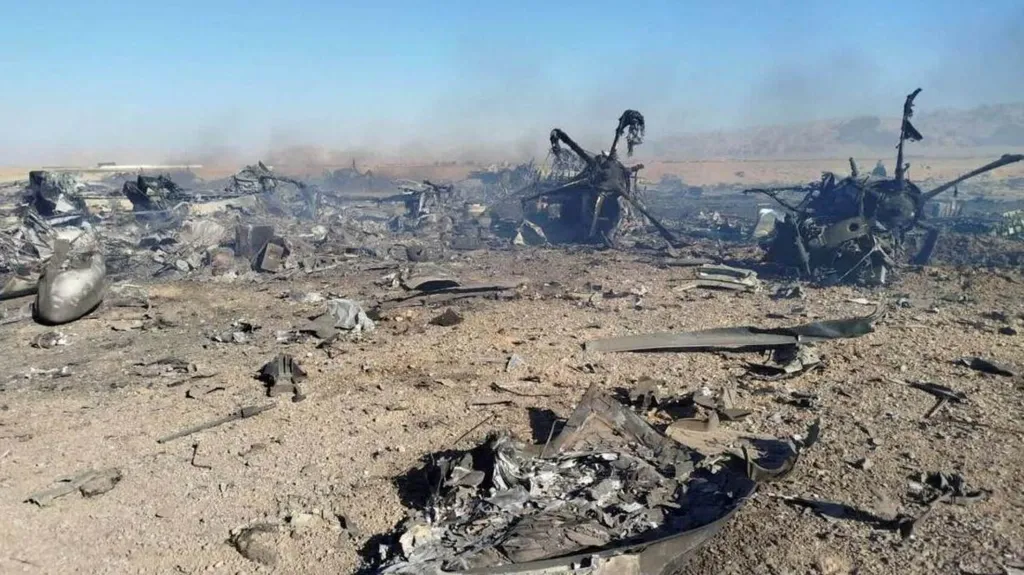
The operation faced major setbacks when two C-130 transport aircraft became stuck on a remote landing strip and could not take off.
US forces destroyed the aircraft to prevent them from falling into enemy hands — a standard military procedure.
Iran claimed additional aircraft and helicopters were destroyed, though US officials denied these claims.
Final Escape and Medical Treatment
Rescue teams eventually evacuated the airman using additional aircraft sent into the region.
He was transported to Kuwait for medical treatment after suffering serious injuries.
Despite the risks, the mission concluded successfully.
Conflicting Narratives from Iran and US
Iranian officials described the operation as a failure, claiming US aircraft were forced into emergency landings.
However, US officials maintain that the mission succeeded despite losses.
Analysts note that such operations highlight both the capabilities and limitations of modern air power.
Conclusion
The US airman rescue Iran operation how rescue unfolded CSAR mission Iran showcases the extreme complexity of combat rescue missions.
While costly, the operation reinforces a core military principle: never leave a soldier behind, regardless of the risks involved.